


 contact@bodyevolveclinic.co.uk
 07763841259

Chronic pain management.
Chronic pain management – South West London
When pain persists, keeps returning, or isn’t improving the way you expect
Living with ongoing pain is exhausting in a way that’s hard to explain to people who haven’t experienced it. You may have expected things to settle after an injury, but instead the pain is still there. Or it improves for a while, only to come back again. In some cases, it may even feel worse despite rest, time off, or previous treatment.
At this point, many people start to question what’s happening, especially when the pain doesn’t follow a clear pattern or a straightforward explanation.
If you feel stuck in that cycle, you’re not alone, and there is a way forward.
Persistent pain is often more complex than a straightforward injury. It can involve changes in how the nervous system processes movement and sensation, which means understanding what’s driving your symptoms is just as important as treating them.
We regularly support people experiencing:
Pain that won’t go away after injury
- Pain that keeps coming back
- Pain worse after rest or inactivity
- Pain flare-ups after small activities
- Pain that feels disproportionate to the cause
- Reduced confidence in movement or fear of making things worse

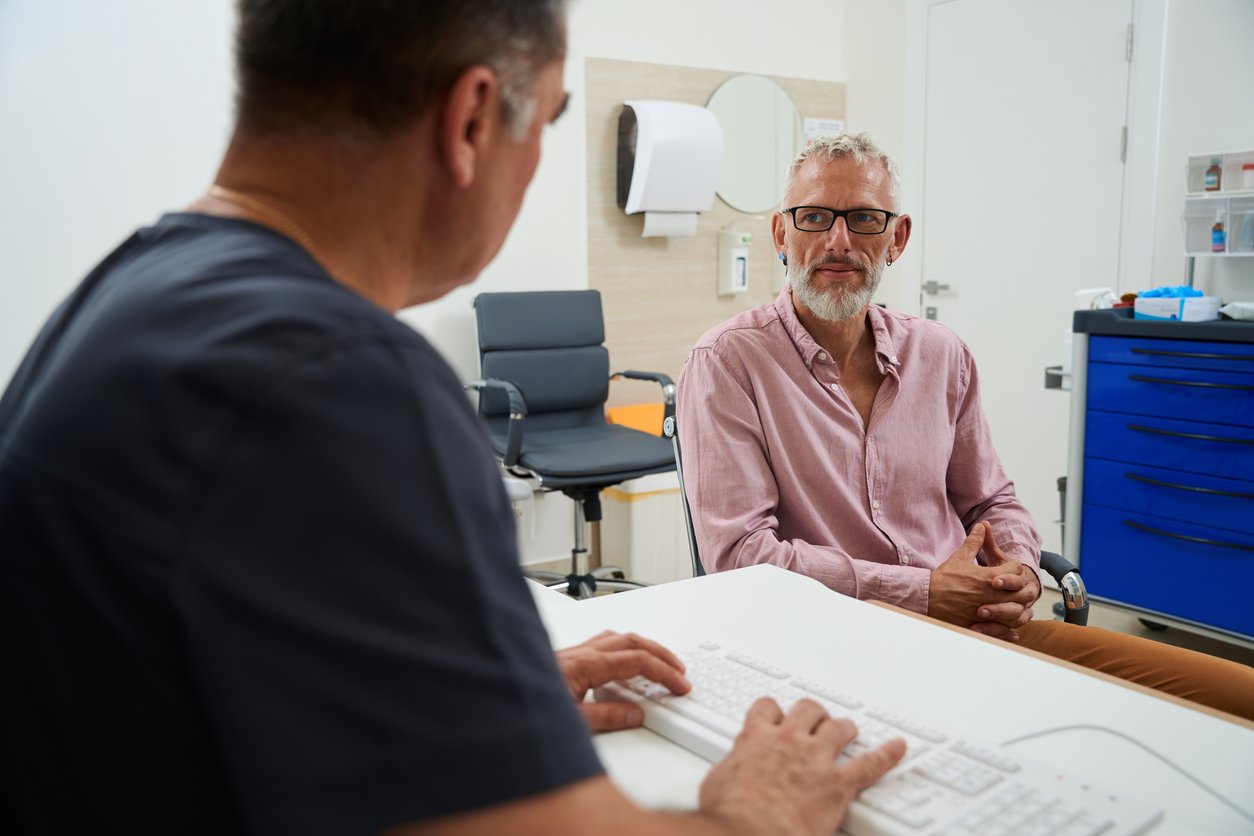
Your first session focuses on understanding your full history, how your symptoms behave, and what’s most likely to help you move forward.
Book your appointment online and take the first step towards understanding your pain and doing something about it.
Why pain can persist.
Pain is not always a direct sign of ongoing damage, and this is one of the most important things to understand when symptoms have been present for a long time.
In some cases, the nervous system becomes sensitised over time, a process known as central sensitisation. This can lead to:
- Pain that feels disproportionate to the activity that triggered it
- Symptoms that move around the body
- Increased sensitivity to normal movement or touch
- Pain that is unpredictable or difficult to explain
Understanding why this happens and that it doesn’t mean something is permanently wrong is often the first step in reducing fear and beginning to move forward.

How we help.
Understand your pain
We begin with a thorough assessment of your history, your symptoms and how your nervous system responds. A key part of this process is helping you understand why pain may persist, even when there’s no ongoing tissue damage.
This clarity alone can reduce uncertainty, calm the nervous system, and begin rebuilding your confidence in movement.
Restore comfortable movement
When pain has been present for a long time, avoiding movement is a natural response, but it often makes things worse over time. We help you gradually reintroduce activity in a way that feels safe and manageable, particularly if you’ve developed patterns such as fear of movement or activity avoidance.
Build lasting confidence in your body
We guide you through progressive strategies to improve strength, tolerance and confidence, reducing the frequency and severity of pain flare-ups and helping you return to meaningful activity. This is a gradual process, but one that leads to real, lasting change.
When should you seek help?
It’s worth getting support if:
- Pain has lasted longer than you expected
- Symptoms keep returning despite rest or previous treatment
- You feel uncertain or anxious about movement and exercise
- Flare-ups are disrupting your daily life
- Pain doesn’t follow a clear or consistent pattern









Take the next step.
If pain is continuing to affect your daily life, book your appointment online and let’s work out what’s driving it and how to move forward.