


 contact@bodyevolveclinic.co.uk
 07763841259
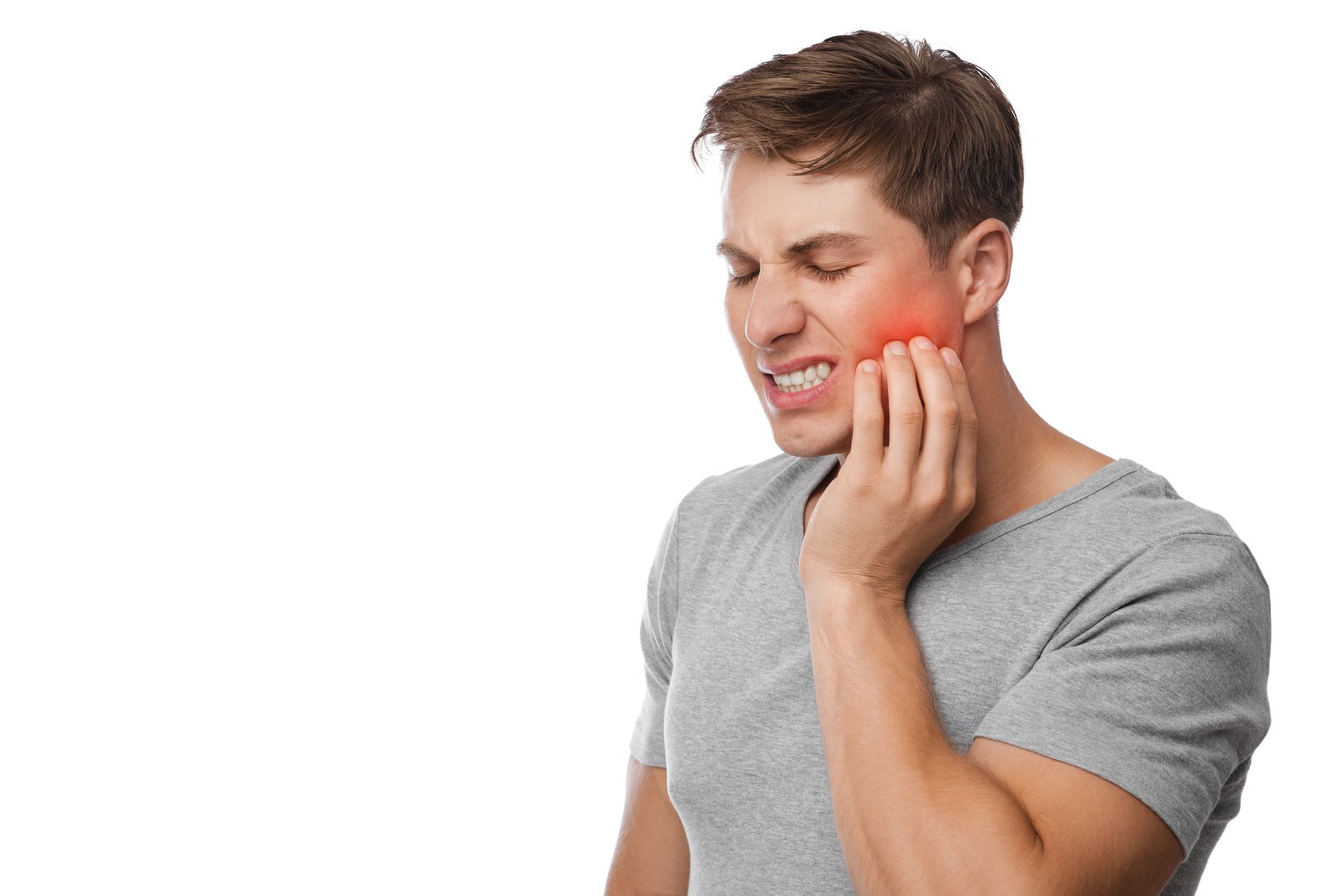
Jaw pain and TMJ.
Jaw pain & TMJ clinic in South West London
Helping you eat, talk and rest without thinking about your jaw
Jaw pain has a way of interrupting the most ordinary parts of the day. Chewing, yawning, talking on the phone, even just resting with your mouth closed. Clicking, tightness or a jaw that doesn’t quite move the way it used to can be unsettling, especially when it’s hard to pin down what’s causing it.
Most Jaw and TMJ symptoms respond well to the right assessment and a clear, gradual plan, rather than needing to just be managed indefinitely.
We regularly assess and treat conditions including:
- TMJ pain and Dysfunction
- Jaw Clicking or Locking
- Teeth Grinding and Jaw Clenching
- Post-Dental Procedure Jaw Pain
- Jaw Pain Linked to Neck Tension

Your first session focuses on understanding how your jaw moves, what may be driving the tension or clicking, and whether your neck is playing a part, so your plan is built around your specific presentation.
Book your appointment online and let’s get your jaw moving comfortable again
Understanding jaw pain and TMJ dysfunction.
The temporomandibular joint (TMJ) connects your jaw to your skull, allowing you to speak, chew and yaw. TMJ dysfunction develops when the joint or the surrounding muscles aren’t working together as they should which can lead to pain, stiffness, clicking, or a jaw that feels like it’s moving unevenly.
Jaw symptoms are often linked to stress-related clenching or teeth grinding, previous dental work, or tension carried in the neck and jaw together, since the two are closely connected both structurally and neurologically.
Common contributing factors include:
- Teeth grinding or jaw clenching, often stress-related
- Previous dental work or procedures
- Whiplash or trauma to the face or jaw
- Neck tension and restricted neck movement
- Habits such as nail biting, gum chewing or resting on the chin
Symptoms don’t always present as pain. Clicking or popping, a jaw that feels like it catches or locks, ear pressure, and morning tightness are all common, and a thorough assessment helps us understand what’s actually going on rather than guessing from symptoms alone.

How we help.
Understand what’s driving your jaw pain
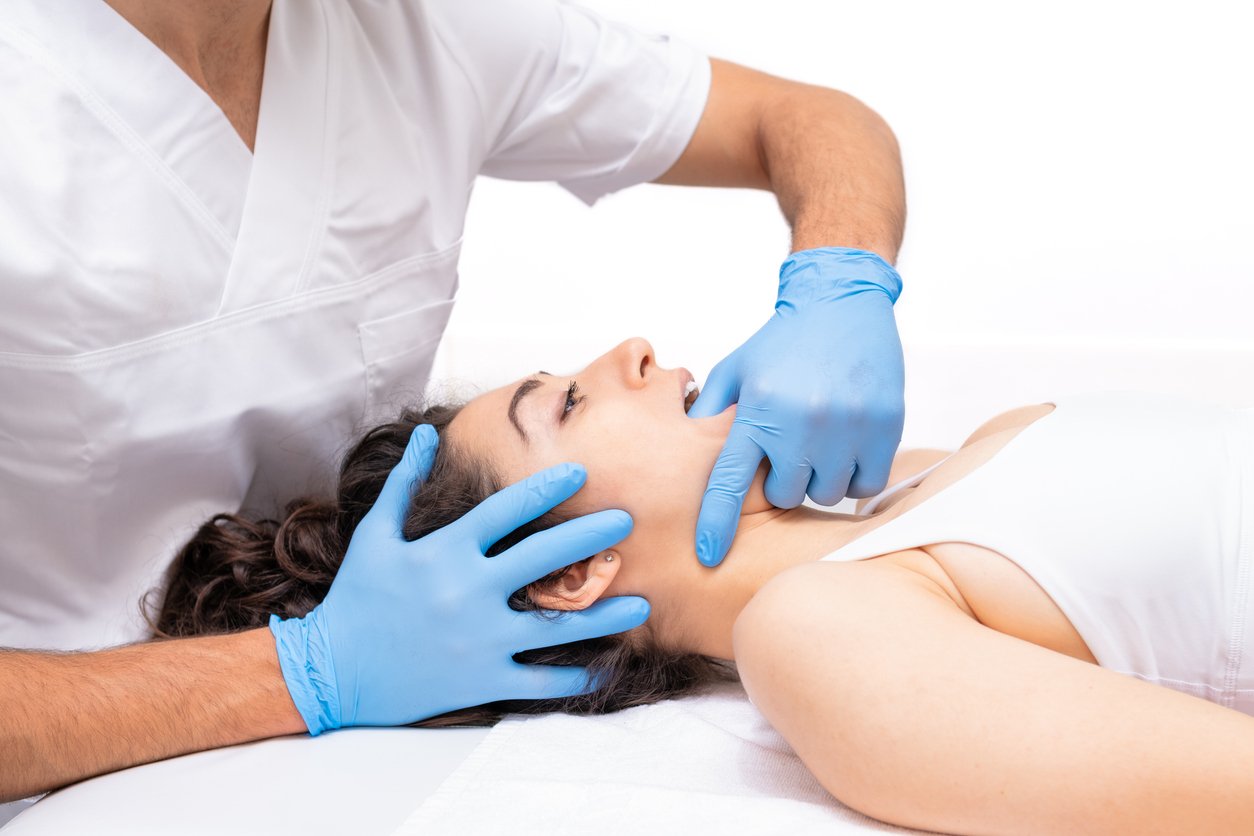
We assess how far and how evenly your jaw opens, the muscles around the jaw and temple, and whether joint sounds or restrictions are contributing. Because the jaw and neck are so closely linked, we also screen neck movement as a standard part of assessment.
You’ll leave your first appointment with a clear picture of what’s driving your symptoms and a plan built around your specific pattern, whether that’s muscle-related tension, joint clicking or a combination of both.
Ease the tension and restore movement
Treatment is tailored to your presentation and may include hands-on release of the jaw and neck muscles, gentle joint mobilisation, and posture or breathing work where tension is contributing. Where jaw clenching or grinding plays a role, we’ll also work with you on practical habit changes.
Where a night-time bite splint or dental input may help, we’re happy to work alongside your dentist rather than in place of them.
Build long-term control
Longer term, we focus on retraining jaw posture and reducing daytime clenching, alongside targeted exercises to build control and confidence in your jaw’s movement. This is especially useful if your symptoms have been building gradually or tend to flare with stress.
When should you seek help?
It’s worth arranging an assessment if:
- Jaw pain, clicking or tightness isn’t settling on its own
- Opening your mouth fully has become difficult or painful
- Your jaw catches, locks or feels unpredictable
- Jaw symptoms are affecting your sleep or accompanied by headaches or neck pain
- Symptoms keep returning despite rest
If you experience sudden, severe or progressively worsening facial pain, numbness, significant swelling or you’re over 60 with new jaw pain alongside scalp tenderness or visual changes, please seek urgent medical assessment, as these can occasionally indicate something needing prompt attention beyond jaw dysfunction









Take the next step.
If jaw pain or clicking is affecting how you eat, talk or sleep, it’s worth getting assessed,