


 contact@bodyevolveclinic.co.uk
 07763841259
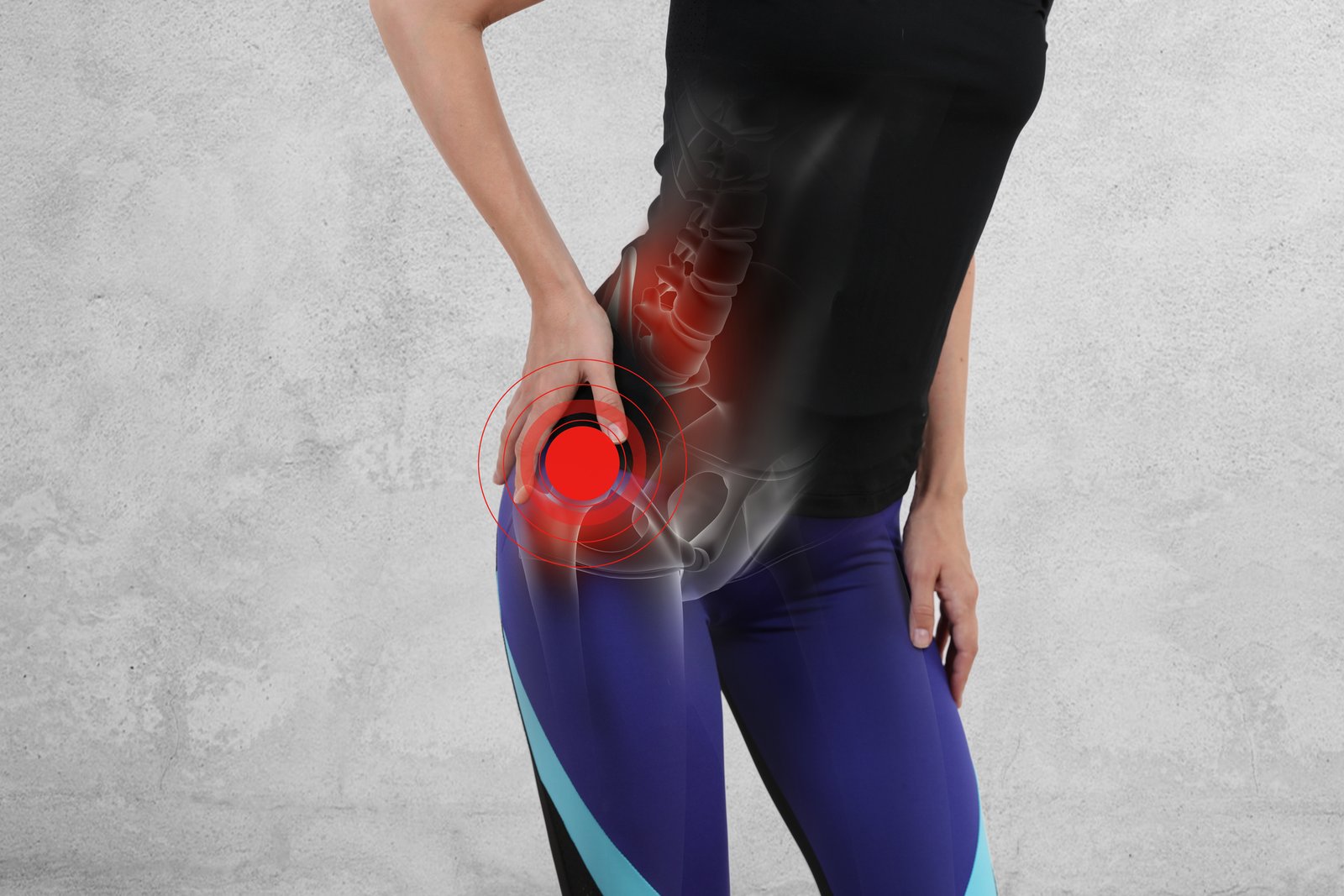
Hip pain.
Hip pain treatment and rehabilitation in South West London
Helping you move freely again without having to think twice about every step
Hip pain has a way of creeping into daily life gradually. The walk that starts to feel harder, the stairs you begin to dread, the side you can no longer sleep on. Often, it builds slowly until it quietly limits far more than you’d like.
Most hip pain, whatever the cause, responds well to a thorough assessment and the right treatment plan.
We regularly assess and treat conditions including:
- Gluteal Tendinopathy
- Hip Osteoarthritis
- Hip Impingement (FAI)
- Groin Pain (Hip-Related)
- Hip Pain at Night
- Hip Pain When Walking

Your first session focuses on understanding how your hip, pelvis and lower back are working together, and what’s overloading the joint, so your plan is built around your specific pattern.
Book your appointment online, lets find out what’s holding you back
Understanding hip pain.
Hip pain often develops when the joint and surrounding muscles are not tolerating load effectively, whether that’s from a sudden increase in activity, a gradual decline in strength, or a structural issue within the joint itself.
Pain can present in different areas depending on the cause:
- In the groin, often linked to hip impingement (FAI)
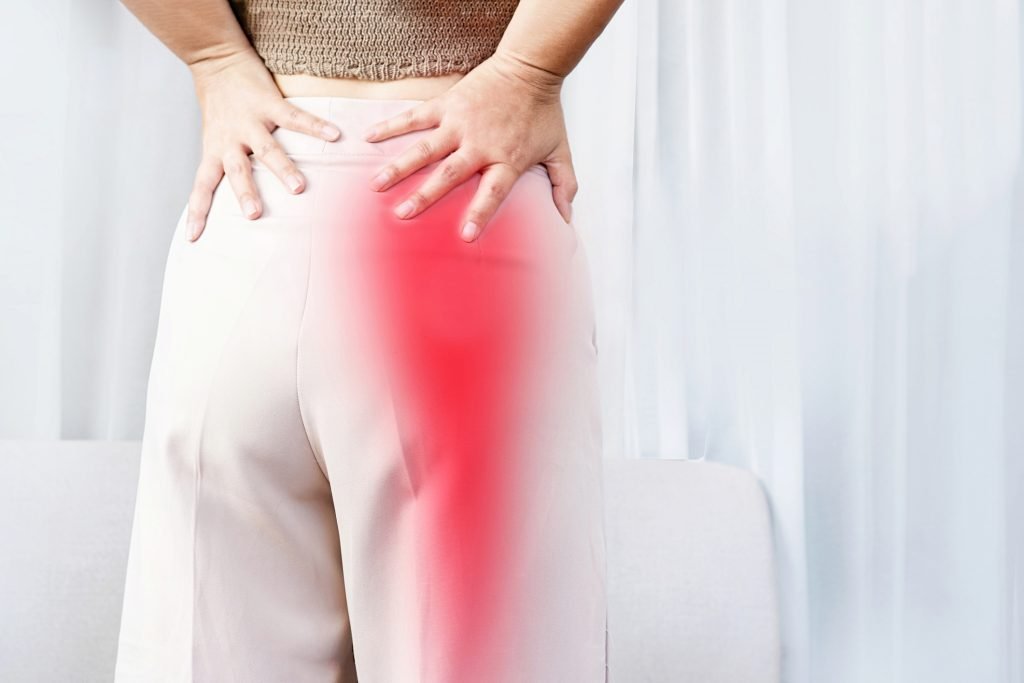
- On the outside of the hip, commonly gluteal tendinopathy
- In the buttock, sometimes related to the lower back
Many patients notice it most during specific activities such as walking, prolonged sitting, or lying on that side at night and for some, disrupted sleep is the most disruptive symptom of all.
Common contributing factors include:
- Sudden increases in activity or training load
- Weakness in the gluteal muscles
- Repetitive running or impact activities
- Prolonged sitting
- Previous injury
A clear assessment helps us identify what’s driving your symptoms, and what the most effective path forward looks like.
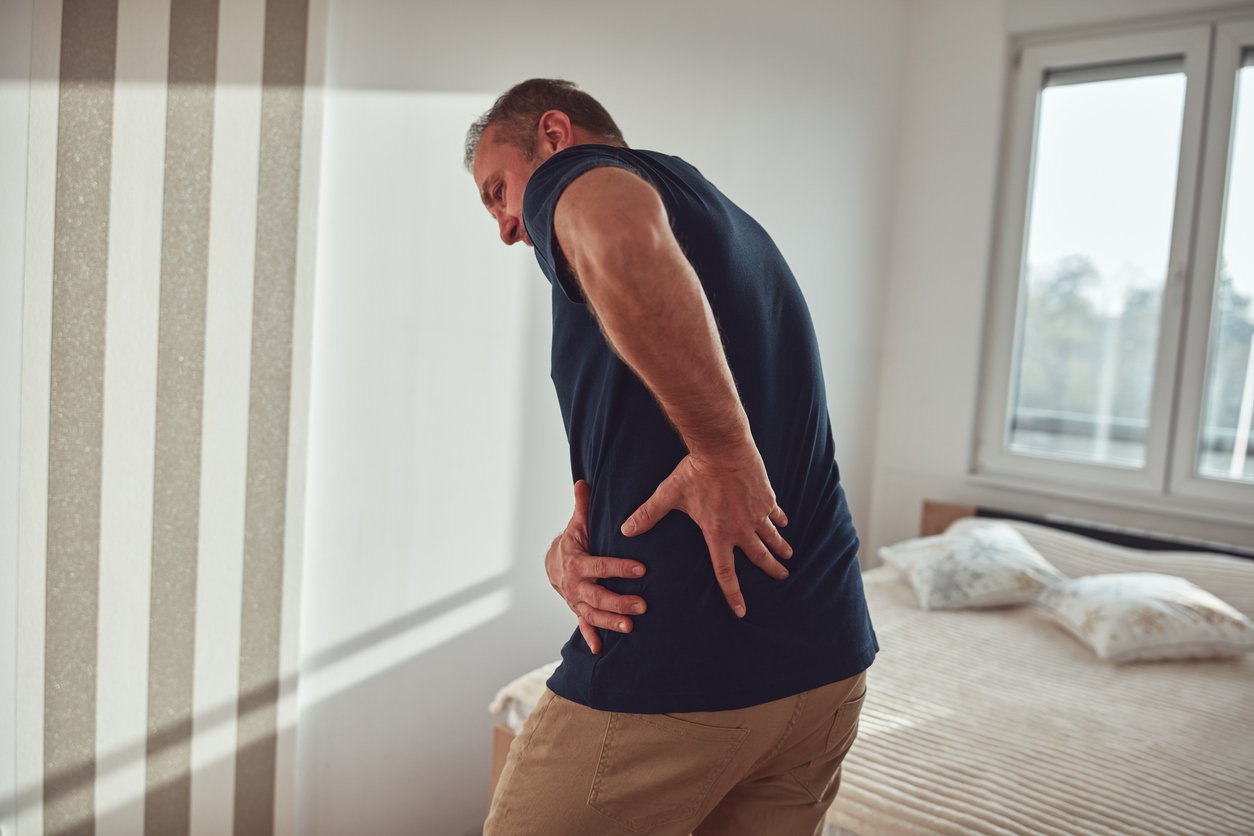
How we help.
Understand what’s driving your hip pain
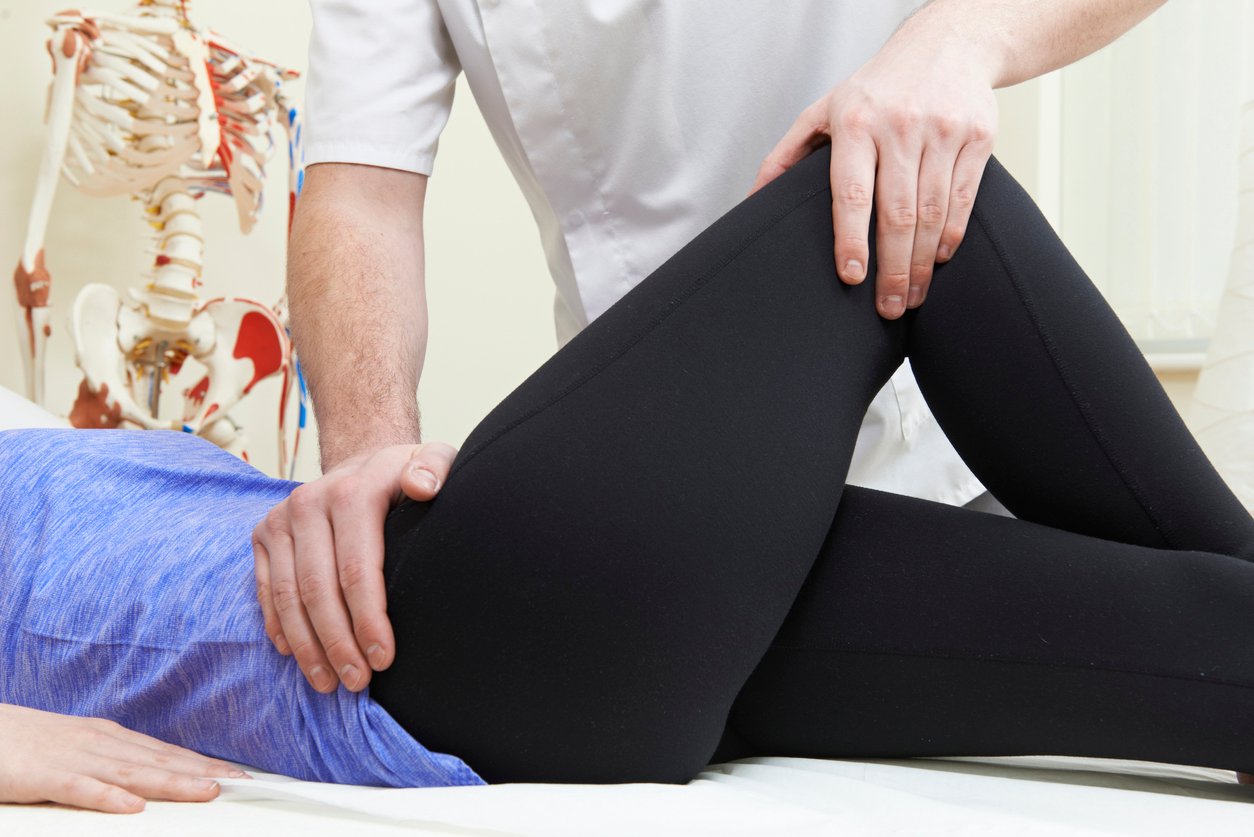
We assess hip movement, strength, and movement mechanics, as well as the lower back and pelvis, which are important in presentations where symptoms may be influenced by lower back pain or pelvic control.
You’ll come away from your first visit with a clear picture of what’s driving the pain and a structured plan to address it.
Ease the load on the joint
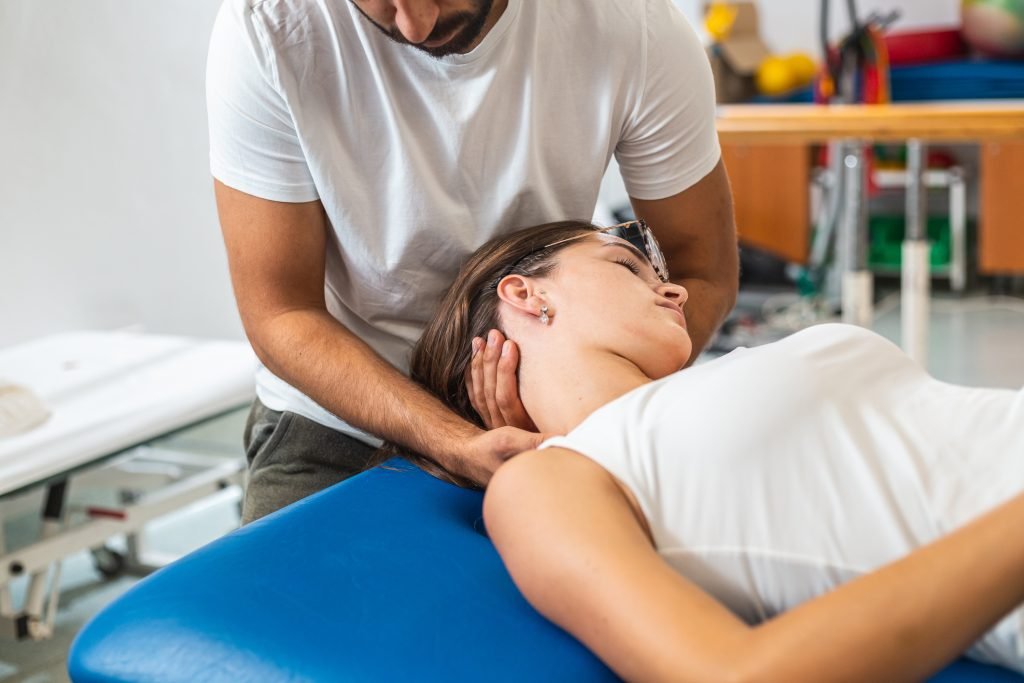
Treatment is tailored to you, improving your hip’s ability to tolerate load and movement through a combination of soft-tissue work, joint mobilisation, and targeted rehabilitation guided by your assessment findings. This is particularly important in conditions such as gluteal tendinopathy or hip impingement, where load management is central to recovery.
We’re aiming for a hip that copes with stairs, walking and sitting comfortably, not just one that’s quiet for a week.
Rebuild strength around the hip and pelvis
Long-term recovery means rebuilding strength and control around the hip and pelvis at a pace your body can adapt to, rather than rushing back to full activity too soon. This is especially valuable in conditions such as hip osteoarthritis or recurring symptoms like hip pain when going up stairs or hip pain when bending or squatting.
When should you seek help?
A professional opinion is worth getting if:
- Your pain isn’t improving on its own
- Walking or climbing stairs has become painful
- Sleep is being disrupted by hip pain
- Movement feels increasingly restricted
- Symptoms keep returning
If you’ve experienced a significant fall or trauma to the hip, are unable to bear weight, or have developed sudden severe pain, please seek urgent medical assessment.

Take the next step.
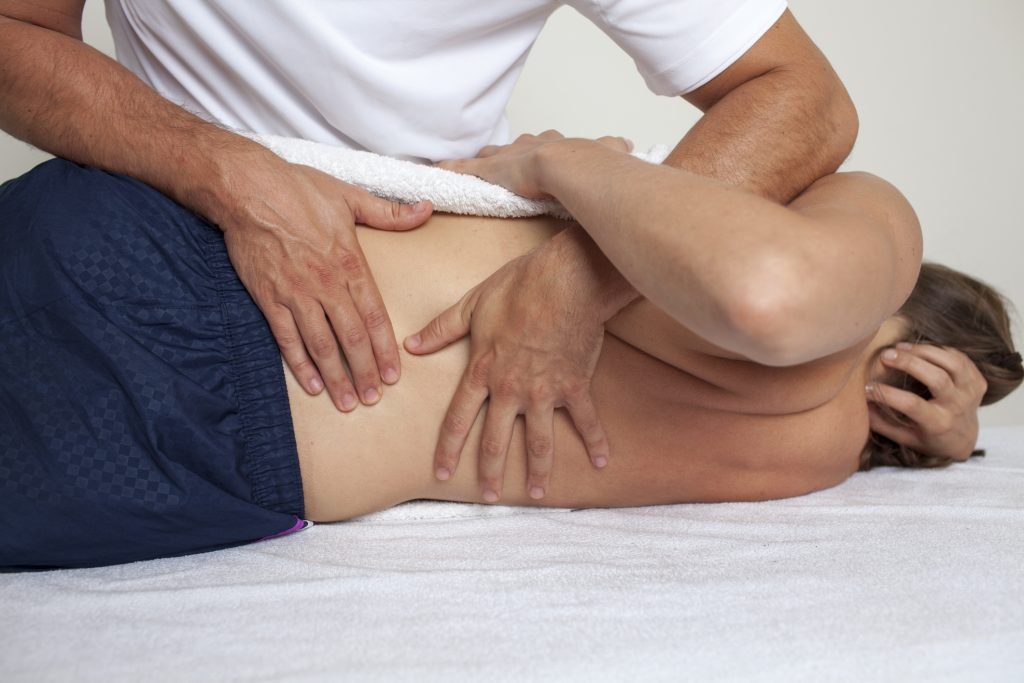
If hip pain is holding you back, book your appointment online and get started.